
Introduction
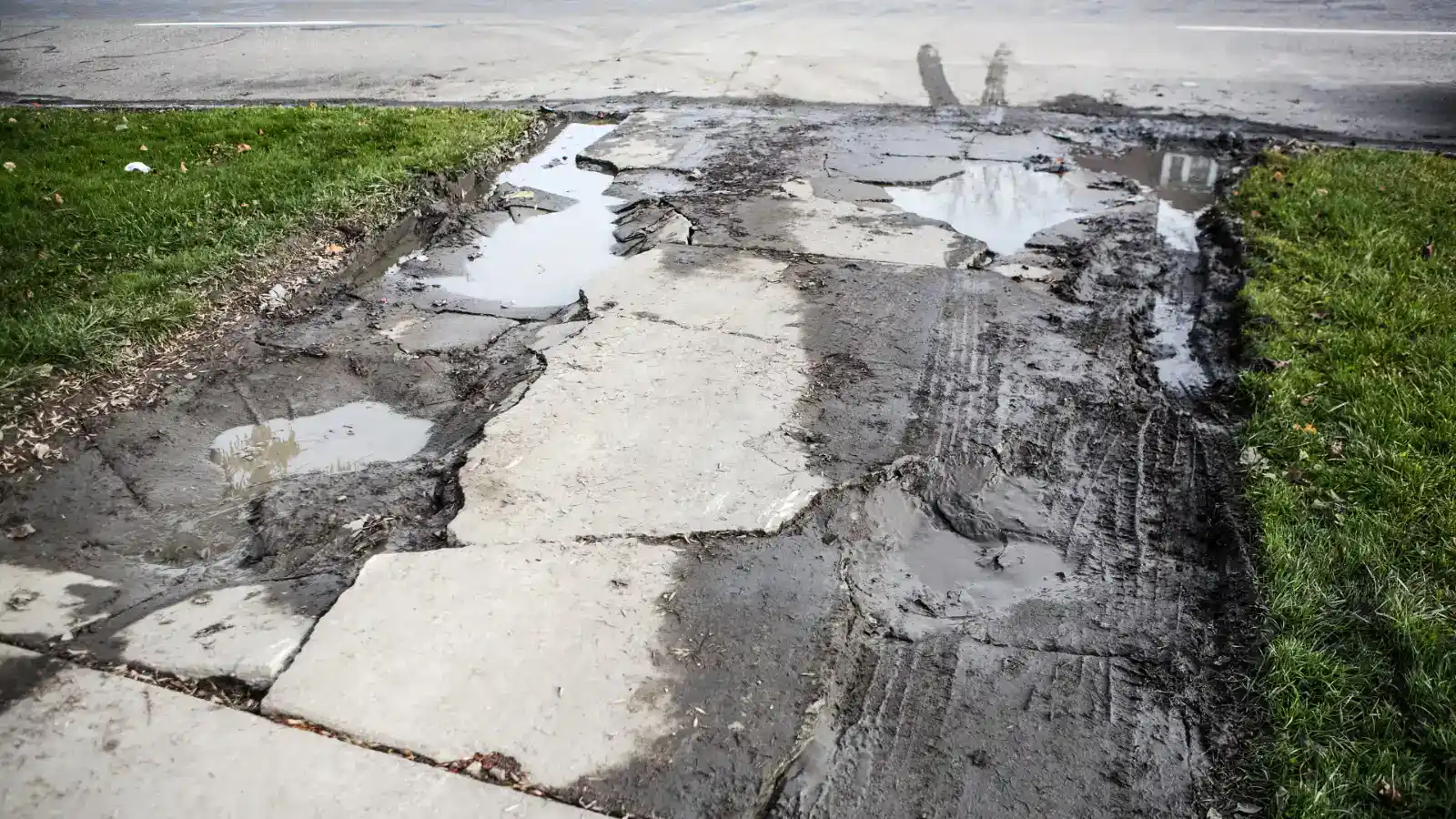
Cracks in concrete driveways and sidewalks are one of the most common concerns homeowners have. While concrete is extremely durable, it is not immune to cracking. In fact, all concrete will crack at some point. The key difference between minor, harmless cracks and major structural problems lies in the cause.
Understanding why concrete cracks helps homeowners recognize when cracking is normal and when it signals a deeper issue. It also highlights the importance of proper installation and long term care.
Concrete Shrinkage During Curing
One of the most common causes of cracking is shrinkage. As concrete cures, moisture evaporates and the slab slightly contracts. This natural process creates internal stress that can lead to small cracks.
Shrinkage cracks usually appear within the first few days after pouring. These cracks are often thin and shallow and do not affect the structural integrity of the slab.
Control joints are intentionally placed in concrete to guide shrinkage cracks into straight, controlled lines. When installed correctly, control joints reduce random cracking and improve appearance.
Soil Movement and Settlement
Soil movement is one of the leading causes of serious concrete cracking. When the ground beneath a slab shifts, settles, or expands, the concrete above it moves as well.
Poor soil compaction, expansive clay soil, or loose fill can cause uneven settling. This often leads to wider cracks, sinking sections, or uneven surfaces.
Proper base preparation is critical. A compacted gravel base helps distribute weight evenly and reduces movement beneath the slab. Without a stable base, even thick concrete can crack.
Temperature Changes and Expansion
Concrete expands when it heats up and contracts when it cools down. Daily temperature swings and seasonal changes place stress on the slab.
Without proper expansion joints, concrete has nowhere to move. This stress eventually leads to cracking, especially in long or wide slabs such as driveways and sidewalks.
Expansion joints allow concrete to move naturally without cracking. They are especially important in areas exposed to direct sunlight and large temperature fluctuations.
Lack of Reinforcement
Concrete is strong under compression but weak under tension. Reinforcement helps concrete resist pulling forces caused by movement and load stress.
Driveways and sidewalks without rebar or wire mesh are more likely to crack and separate over time. Reinforcement does not prevent cracking entirely, but it holds the slab together when cracks form.
For driveways that support vehicles, reinforcement is especially important. Without it, cracks can widen and lead to uneven surfaces or structural failure.
Improper Thickness
Concrete that is poured too thin is far more likely to crack. Thin slabs lack the strength needed to handle weight, movement, and environmental stress.
Driveways typically require at least 4 inches of thickness, with additional thickness in high load areas. Sidewalks and patios also require proper depth to prevent cracking and edge failure.
Thickness must be consistent throughout the slab. Thin spots create weak points that crack under pressure.
Poor Drainage and Water Intrusion
Water is one of the most damaging elements for concrete when it collects beneath the slab. Poor drainage allows water to erode the base material, weakening support.
When water freezes, it expands and increases pressure beneath the concrete. Over time, this leads to cracking, lifting, or sinking sections.
Proper grading, drainage planning, and sealing help prevent water related damage and extend the life of concrete surfaces.
Heavy Loads and Vehicle Stress
Concrete driveways are designed to support vehicles, but excessive weight can still cause cracking. Repeated use by heavy trucks, trailers, or RVs places additional stress on the slab.
Turning wheels, braking force, and parked vehicles concentrate pressure in specific areas. Without proper thickness and reinforcement, cracks are more likely to form.
Designing the driveway for expected load use helps prevent premature damage.
Tree Roots and Nearby Vegetation
Tree roots growing beneath or alongside concrete can cause lifting and cracking. As roots grow, they push upward on the slab.
Sidewalks are especially vulnerable to root damage, as trees are often planted nearby. Root barriers and proper planning help reduce this risk.
In many cases, cracking caused by roots worsens over time if not addressed.
Poor Finishing and Installation Practices
Improper finishing techniques can weaken the surface of the concrete. Overworking the surface, adding excess water, or finishing too early can all contribute to cracking.
Timing is critical during installation. Concrete must be placed, finished, and cured correctly to achieve full strength.
This is why experience matters. Professional installation significantly reduces the risk of early cracking.
Conclusion
Cracks in concrete driveways and sidewalks are common, but not all cracks are cause for concern. Shrinkage cracks and hairline cracks are often normal, while wider or uneven cracks usually indicate underlying problems.
Most serious cracking is caused by poor installation, lack of reinforcement, improper thickness, soil movement, or drainage issues. Investing in proper preparation and professional installation greatly reduces these risks.
Understanding the causes of cracking helps homeowners protect their concrete and make informed decisions about repairs or replacement.