
Introduction
One of the biggest advantages of concrete is its low maintenance requirements compared to other outdoor surfaces. However, low maintenance does not mean no maintenance. Like any exterior surface, concrete benefits from regular care to protect its strength and appearance over time.
Understanding the basic maintenance needs of concrete helps homeowners avoid costly repairs and premature replacement. With a few simple steps, concrete driveways, patios, and sidewalks can remain durable and attractive for many years.
Regular Cleaning
Keeping concrete clean is one of the simplest and most effective maintenance steps. Dirt, leaves, and debris can trap moisture on the surface, which may lead to discoloration or surface wear over time.
Routine sweeping and occasional rinsing with a hose help prevent buildup. For tougher stains, a mild detergent and a stiff brush are usually sufficient. Pressure washing can be used carefully, but excessive pressure should be avoided to prevent surface damage.
Regular cleaning also makes it easier to spot small cracks or issues early.
Sealing the Concrete Surface
Sealing is one of the most important steps in maintaining concrete. A quality concrete sealer protects the surface from moisture, stains, oil, and UV exposure.
Most concrete surfaces should be sealed every two to three years, depending on traffic and exposure. Driveways often require more frequent sealing than patios or sidewalks due to vehicle use.
Sealing also helps preserve decorative finishes such as stamped or colored concrete by preventing fading and surface wear.
Preventing Stains and Damage
Concrete is durable, but it is still porous. Oil, grease, fertilizer, and chemicals can penetrate the surface if not cleaned promptly.
For driveways, addressing oil leaks and spills quickly helps prevent permanent staining. On patios and sidewalks, avoiding harsh chemicals and excessive deicing products reduces surface deterioration.
Using protective mats under grills or outdoor equipment can also help prevent staining.
Managing Water and Drainage
Water is one of the biggest threats to concrete longevity when it collects beneath the slab. Proper drainage around driveways, patios, and sidewalks helps prevent erosion of the base material.
Downspouts should direct water away from concrete surfaces. Standing water should be addressed to prevent moisture intrusion and soil movement.
Maintaining proper grading around concrete helps reduce cracking and settling caused by water related issues.
Repairing Small Cracks Early
Small cracks are common and often not a structural concern. However, allowing cracks to grow can lead to bigger problems.
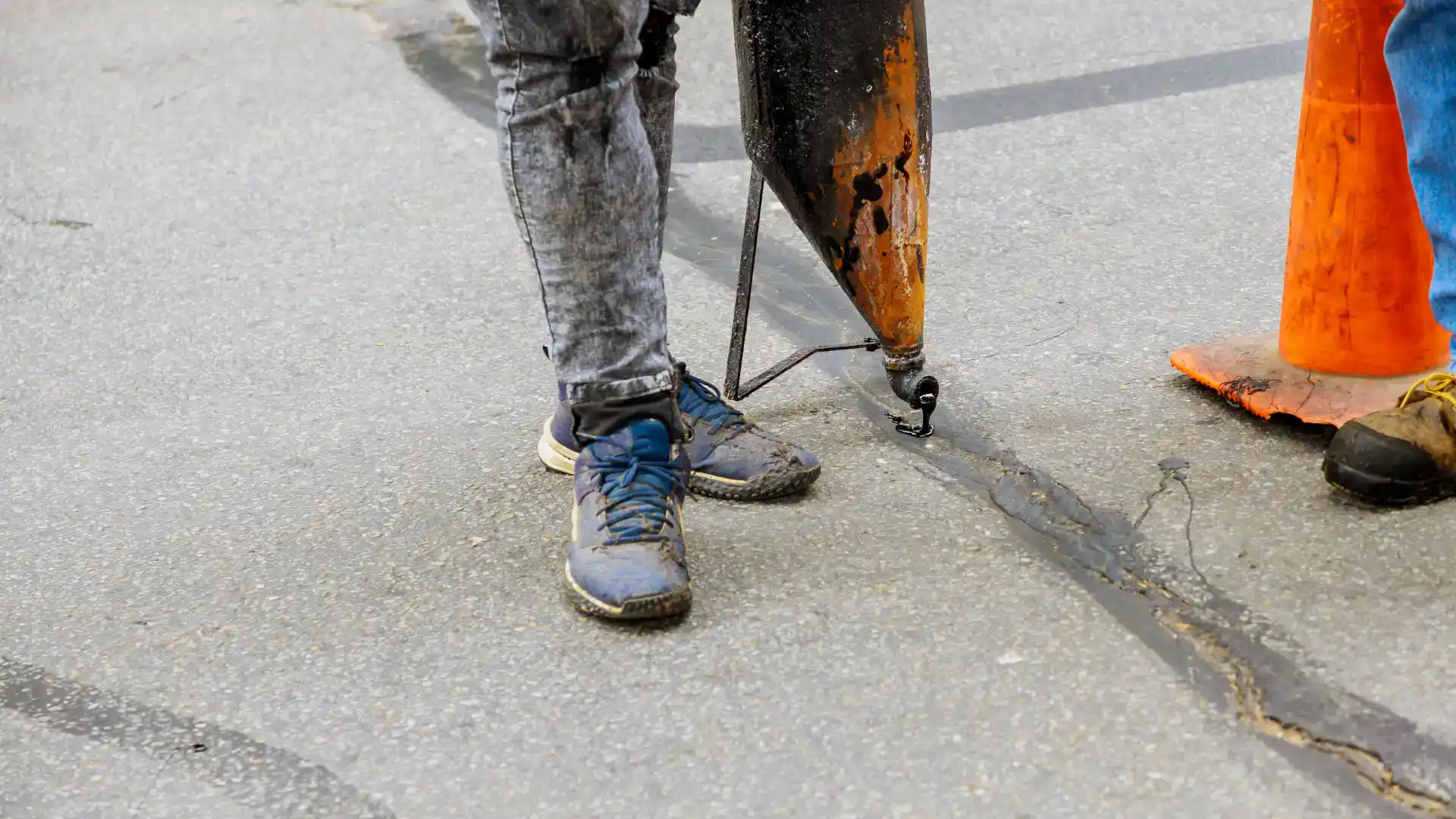
Sealing small cracks prevents water from entering and damaging the base beneath the slab. Crack repair products are widely available, but professional evaluation is recommended for larger or spreading cracks.
Early repairs help extend the life of the concrete and maintain a smooth, even surface.
Protecting Concrete from Heavy Stress
Concrete driveways are designed to support vehicles, but repeated heavy loads can increase wear. Avoid parking heavy trucks, trailers, or RVs in the same spot for extended periods when possible.
Sharp turns, spinning tires, and heavy equipment can also cause surface stress. Being mindful of how concrete is used helps reduce long term damage.
Seasonal Care Considerations
Seasonal changes can impact concrete performance. In colder months, avoid using harsh deicing chemicals that can damage the surface.
In warmer months, keeping the surface clean and sealed helps protect against UV exposure and heat related expansion.
Adjusting maintenance practices based on climate helps concrete perform well year round.
Conclusion
Concrete driveways, patios, and sidewalks are valued for their durability and low maintenance needs, but basic care goes a long way. Regular cleaning, sealing, proper drainage, and early crack repair help prevent damage and extend lifespan.
With proper maintenance, concrete can remain strong, attractive, and functional for decades. A small investment in routine care protects your concrete and preserves your investment long term.